

Key Takeaways:
- Acceptance rates at top colleges often range from 2% to 6%
- Strong applications show clear impact, not a long list of activities
- Essays, recommendations, and personal background play a major role in decisions
- Schools like Harvard, Caltech, Stanford, and MIT remain among the most selective in the US
What is the hardest college to get into? Many students ask this as application season approaches. Admissions in the United States are more competitive than before. Top universities now admit fewer than 5% of applicants. Some fall closer to 3%. At the same time, application numbers keep growing each year, which increases competition.
This guide covers the hardest colleges to get into in 2026 to 2027 using recent acceptance rates and admission data. You will see which schools are the most selective, what drives those decisions, and how you can stay competitive during the process.
What Makes a College Hard to Get Into?
Every hardest university to get into in USA accepts only a small share of applicants. In many cases, fewer than 5 out of 100 students get in. That level of competition alone makes admission difficult. But acceptance rate is only part of the picture. Top schools use a holistic review process, which means they evaluate your entire application, not just your grades or scores.
Here are the key factors that make a college highly selective:
- Acceptance rate: The lower the percentage, the tougher the competition. Top schools receive tens of thousands of applications for a limited number of seats.
- Application volume: More students apply each year. Even strong applicants face tougher odds simply because the pool keeps growing.
- Academic performance: High GPA and rigorous coursework are expected. Most admitted students are already at the top of their class.
- Essays and personal voice: In 2026, essays often carry more weight than test scores. Schools want to see how you think, not just what you achieved.
- Extracurricular impact: Depth matters more than quantity. Leadership, initiative, and measurable results stand out.
- Test-optional policies: Many colleges remain test-optional. Strong SAT or ACT scores can help, but they are no longer required at most top schools.
- Holistic admissions: Admissions teams look at the full picture, including background, interests, and long-term potential.
When deadlines start to stack up, writing often becomes the hardest part. EssayPro’s expository essay writer helps you stay on track with structured support and targeted help for different types of assignments!
10 Hardest Colleges to Get Into
The odds at these schools leave very little margin for error. Most admit around or below 5%, and each year the competition becomes more intense. The table below reflects the most recent acceptance rate ranges based on credible sources such as U.S. News and official university data.
Applying to top schools can feel intense, but a little humor helps. Check out a relatable college meme in our separate article.
10 Most Competitive Colleges with Lowest Acceptance Rates
Thousands of students line up their applications every year and hope for the best. The hardest colleges to get into feel like gates into a different life that's guarded by reputations that stretch back centuries. Below are the institutions that define exclusivity in higher education.
Aim Higher with Your College Application
Get expert support to craft essays that stand out and strengthen your application.

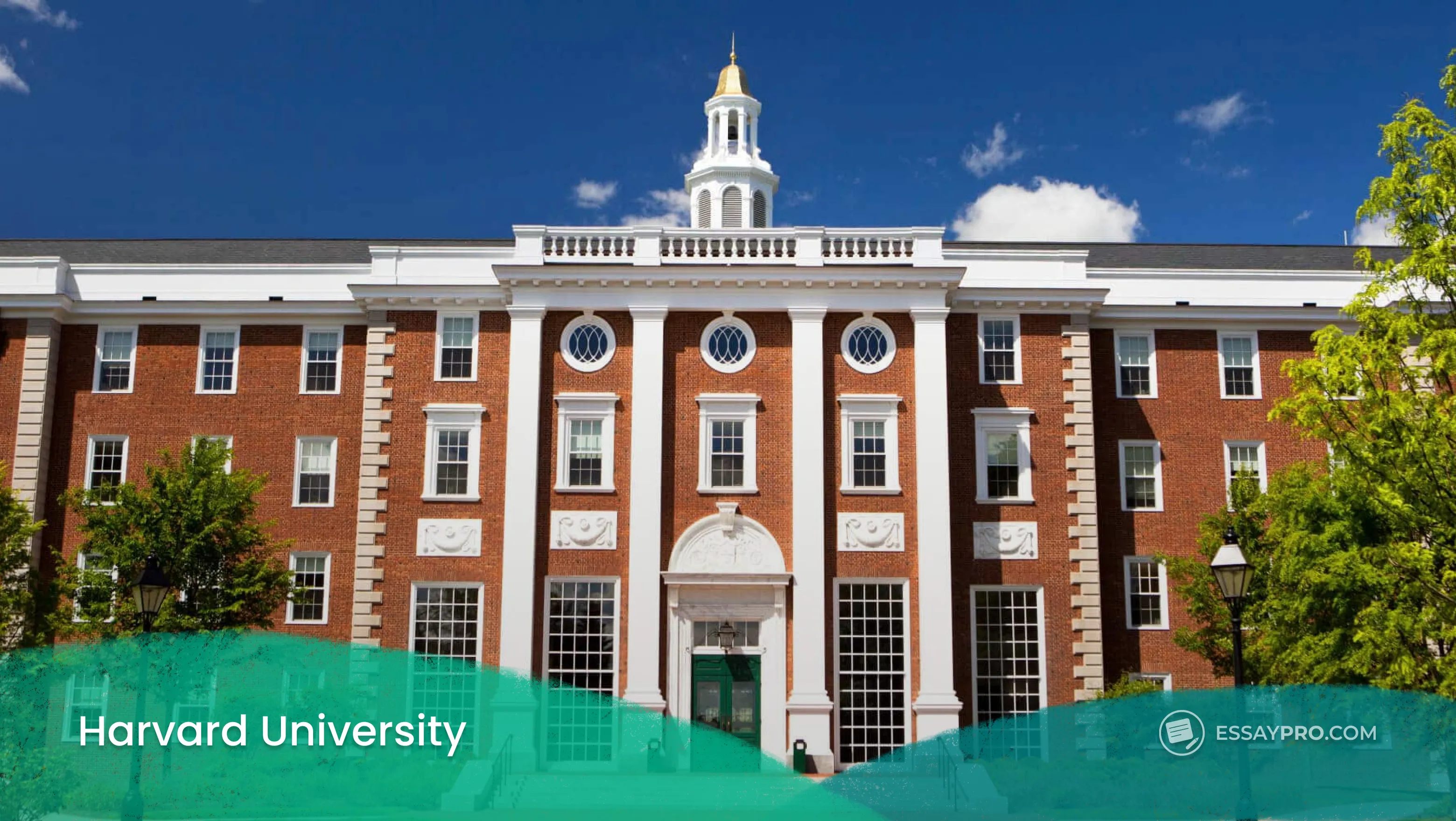
Harvard University
Harvard definitely earns its label of the hardest college to get into for applicants, admitting around 3-4% of applicants. Its global reputation and large applicant pool make competition extremely intense. Admission decisions go beyond grades. Harvard looks for leadership, initiative, and long-term impact. Many applicants have near-perfect academic records, but only those with a clear sense of direction and influence stand out.
.webp)
California Institute of Technology (Caltech)
Caltech consistently ranks as the hardest university to get into, with an acceptance rate close to 3% according to recent U.S. News data. Its small size keeps the number of available spots very limited. The admissions process focuses heavily on problem-solving ability and scientific thinking. Strong applicants often show advanced research experience or deep involvement in STEM projects.
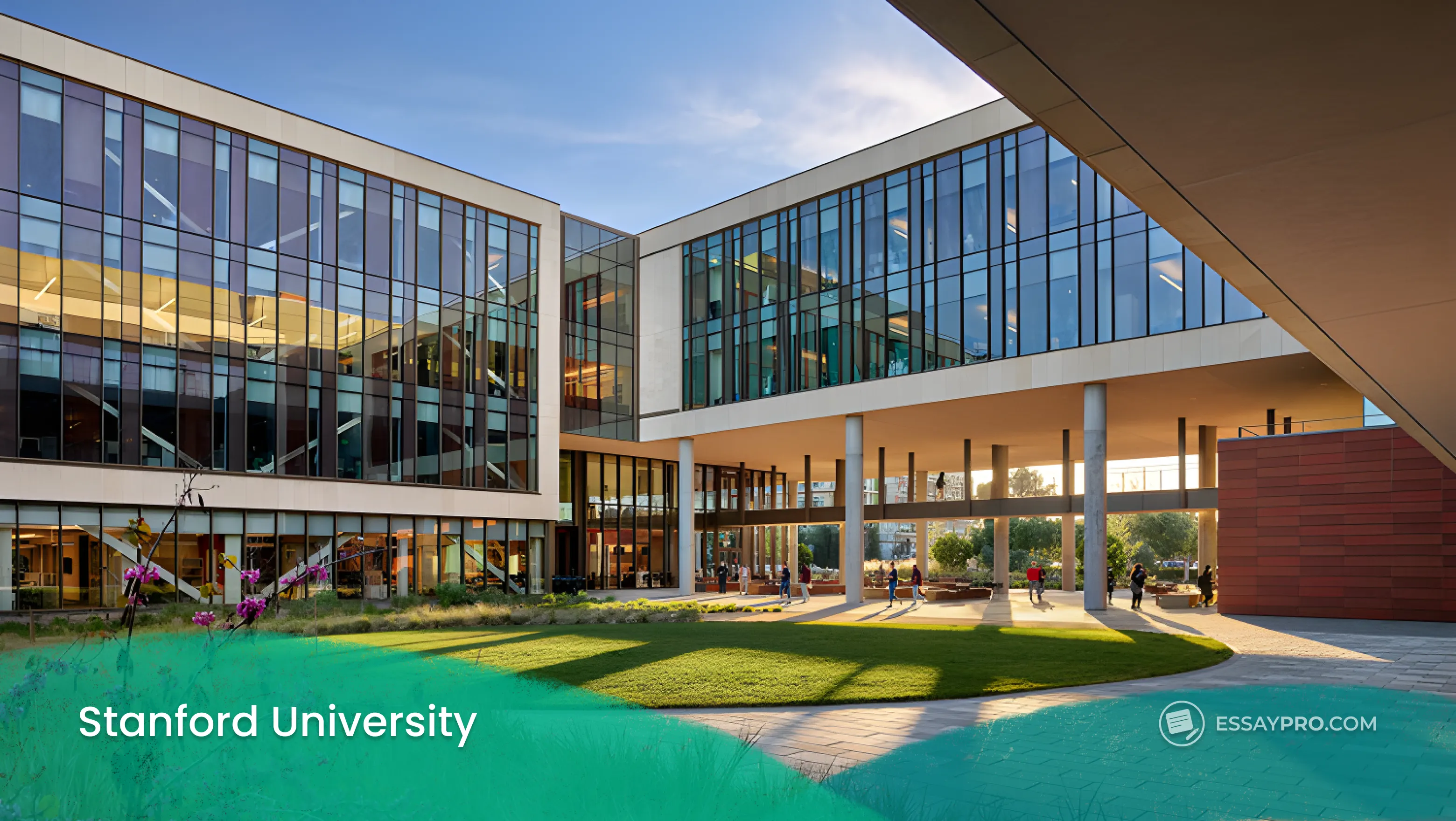
Stanford University
Stanford admits fewer than 4% of applicants, making it one of the hardest schools to get into in the US. Its location in Silicon Valley attracts students interested in innovation, technology, and entrepreneurship. Successful applicants usually combine strong academics with initiative. Projects, startups, or creative work often carry significant weight.
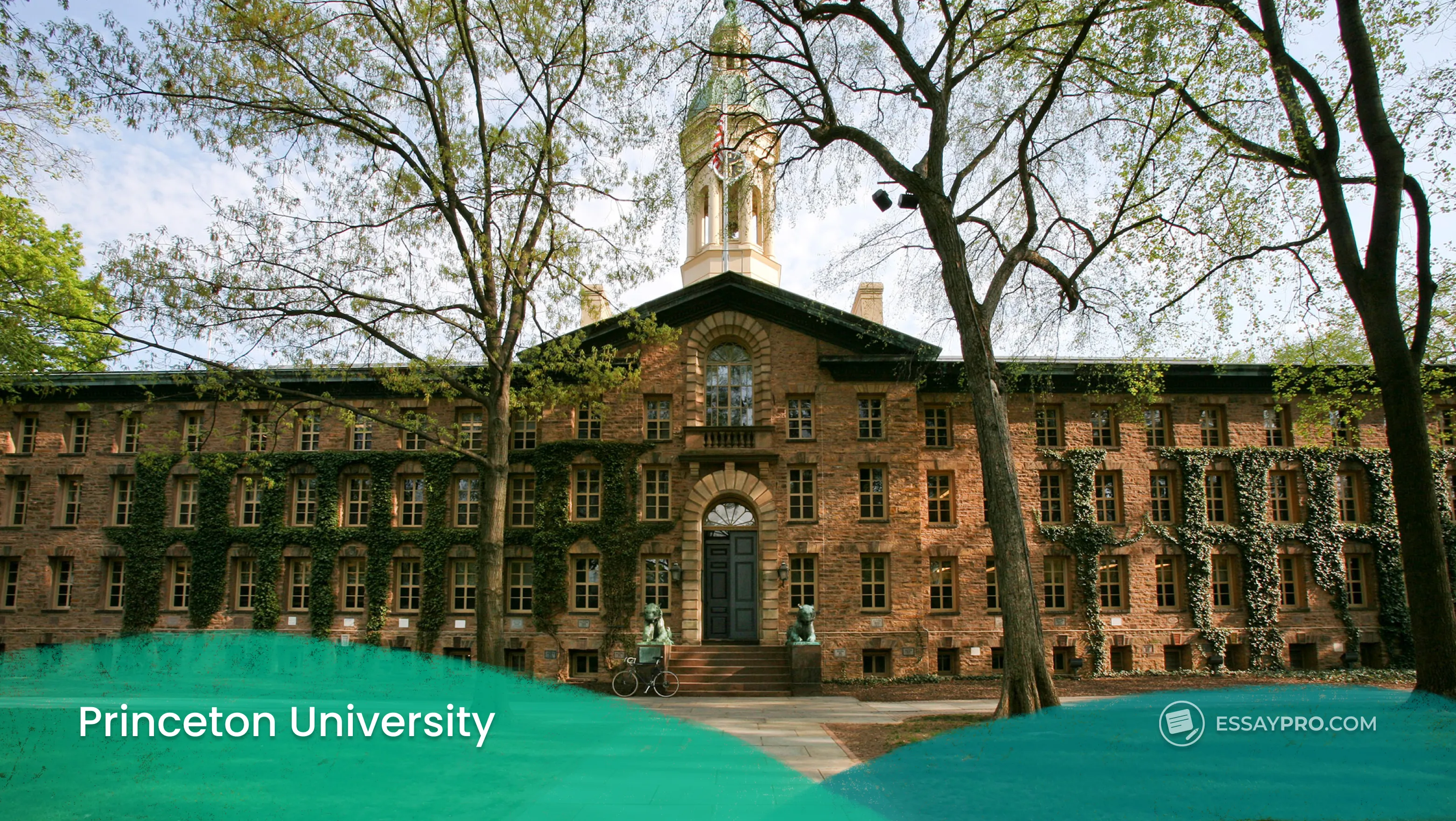
Princeton University
Princeton’s acceptance rate sits around 5%, placing it among the most selective Ivy League schools. The university emphasizes academic depth and intellectual curiosity. Applicants who stand out typically show consistent focus in one area, along with strong analytical thinking and clear academic interests.
.webp)
Massachusetts Institute of Technology (MIT)
MIT remains one of the most selective universities in the world, with an acceptance rate around 4–5% based on recent data. Admission is highly competitive, and strong grades alone are not enough. MIT looks for students who build, experiment, and solve real problems. Many successful applicants show evidence of research, engineering projects, or independent work that goes beyond the classroom. The institute values curiosity, initiative, and technical depth. Its reputation comes from global impact in science, technology, and economics. Students who are admitted are expected to contribute, not just perform, in an environment where innovation is the standard.
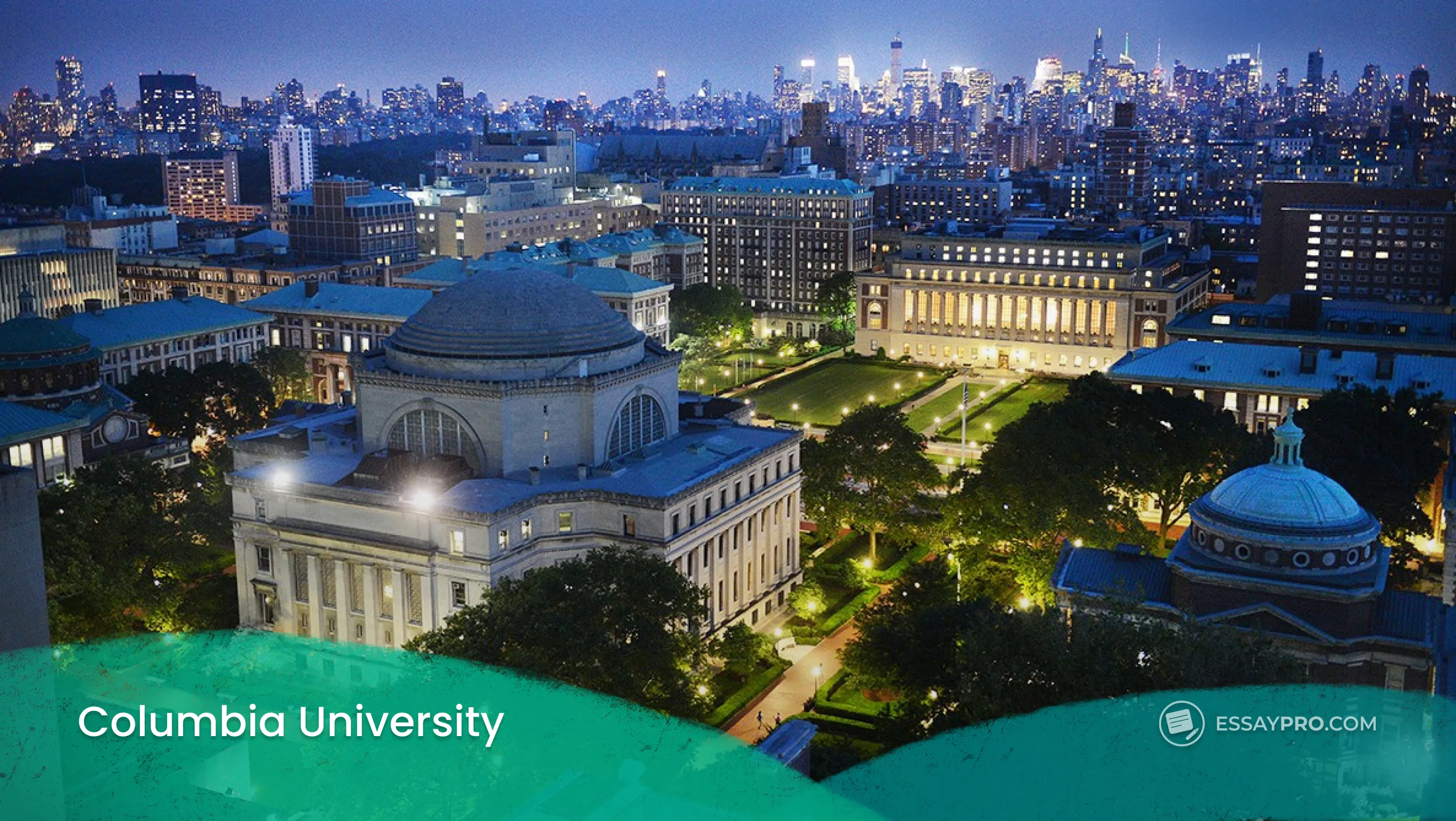
Columbia University
Columbia’s acceptance rate sits around 4%, placing it among the most prestigious colleges in the US. Its Core Curriculum is a defining feature, requiring students to engage with a broad range of disciplines. This structure shapes the admissions process as well. Columbia looks for applicants who are intellectually flexible and comfortable working across different fields. Strong candidates often show both academic strength and curiosity beyond their main interests. Located in New York City, the university attracts students who want access to global industries and opportunities.
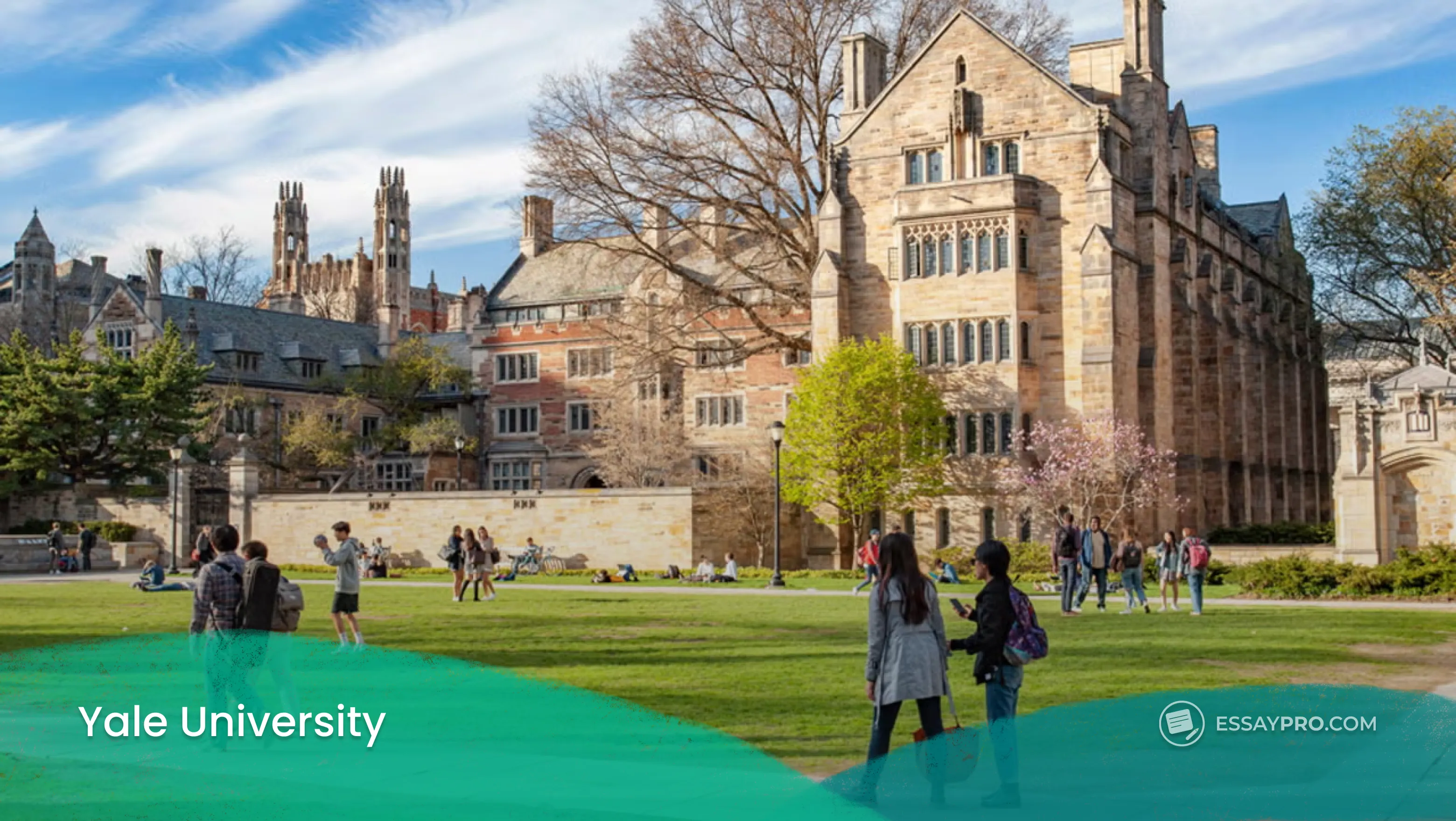
Yale University
Yale admits just below 4% of applicants, making it one of the most selective Ivy League schools. While academic excellence is expected, Yale places strong emphasis on character, leadership, and community impact. Admissions officers look for students who can contribute to campus life and bring a distinct perspective. Many successful applicants demonstrate initiative through leadership roles, creative work, or social impact projects. Yale’s long-standing reputation in law, politics, and the humanities continues to attract a highly competitive applicant pool.
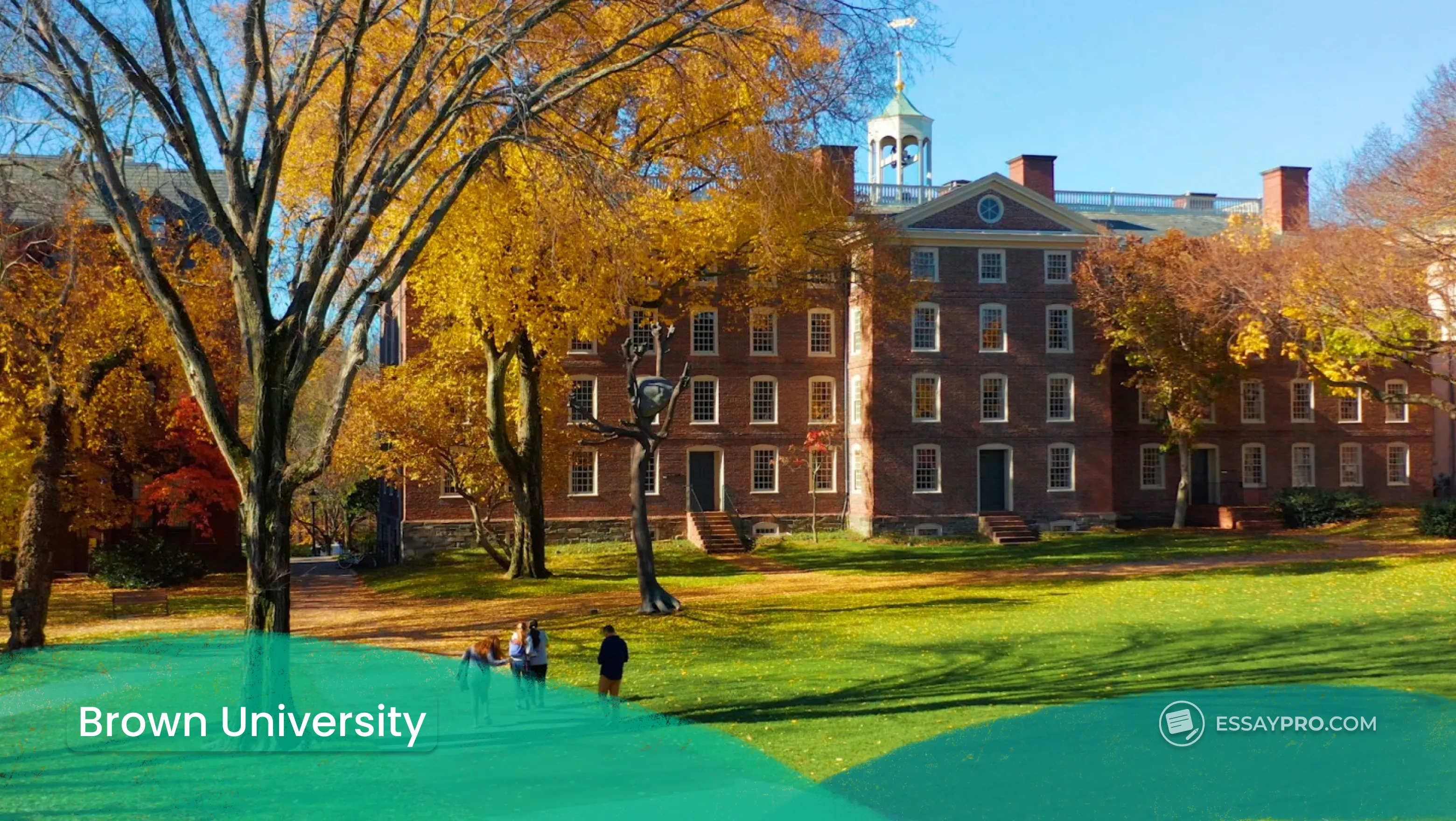
Brown University
Many students who are asking ‘whats the hardest college to get into’ include Brown in the conversation. Brown’s acceptance rate is around 5%, but its appeal continues to grow each year. The university is known for its Open Curriculum, which allows students to design their own academic path. This flexibility attracts independent thinkers, and the admissions process reflects that. The competition remains intense because of the school’s unique academic model and strong reputation. Admission is not just about performance, but about fitting within a culture that values exploration and initiative.

University of Chicago
The University of Chicago maintains an acceptance rate below 5%, making it one of the most rigorous academic environments. Chicago places a strong emphasis on how applicants think, not just what they have achieved. Its essay prompts are intentionally unconventional, designed to reveal creativity and analytical depth. Successful applicants often show originality in both their writing and academic interests. The university’s influence in economics, law, and social sciences continues to attract highly competitive candidates who are comfortable with intellectual challenge.
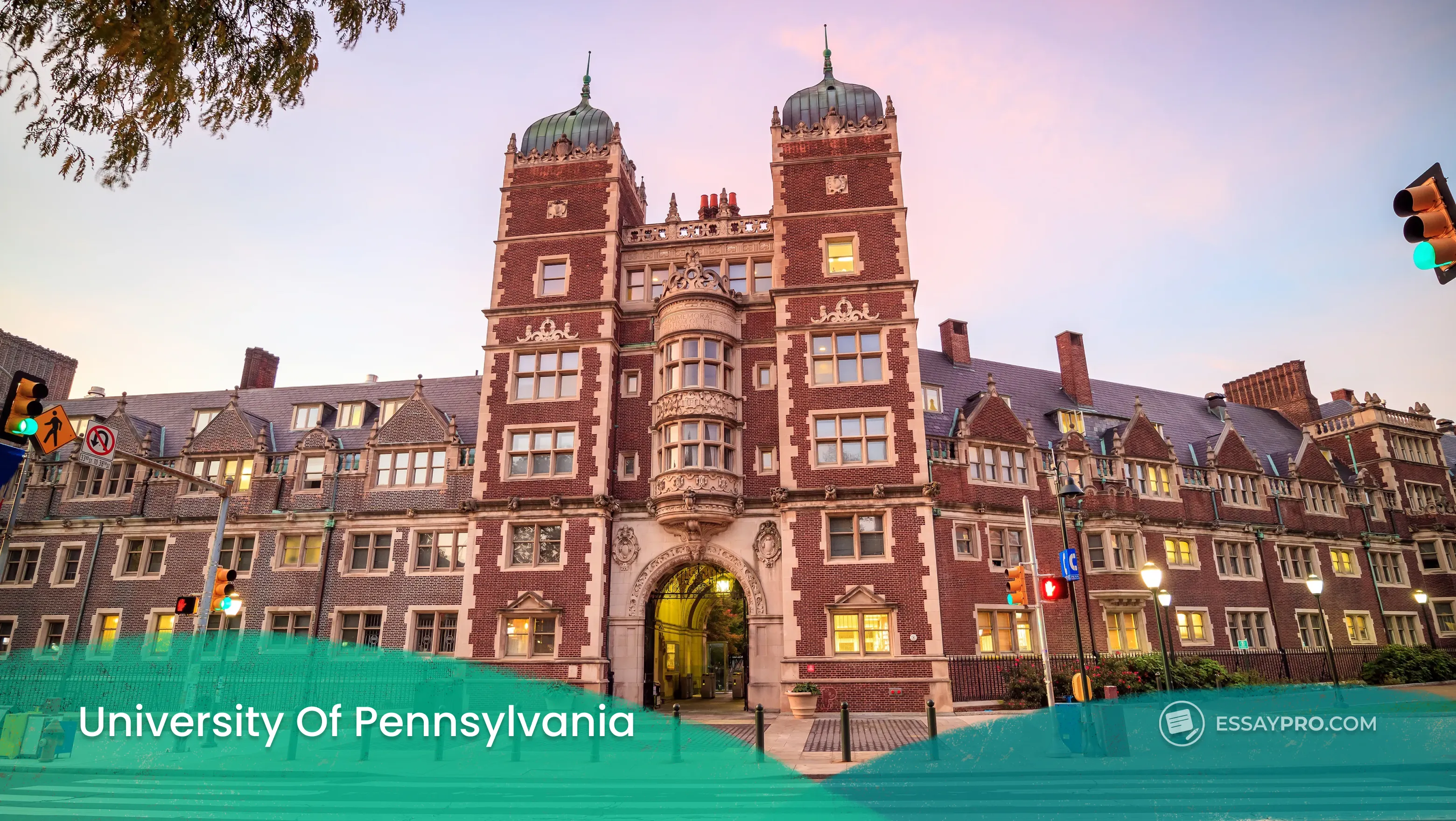
University of Pennsylvania
The University of Pennsylvania admits fewer than 6% of applicants, placing it firmly among the most selective schools in the US. Penn stands out for combining strong academic programs with professional focus, especially in business, healthcare, and finance. Admissions decisions reflect this balance. The university looks for students who show both academic strength and practical initiative, such as internships, projects, or leadership experience. Many successful applicants demonstrate clear goals and the ability to apply knowledge in real-world settings.
Tips for Getting Into the Most Selective Schools
Getting admitted at a top college depends on how your application reads as a whole. Admissions teams review thousands of strong profiles. What stands out is focus, clarity, and impact. Here are a few tips if you’re considering the hardest colleges to get into for students:
- Build a clear academic direction: Pick one area and stay consistent. Take advanced courses in that subject. Show progress over time. Strong applicants often have a clear focus instead of scattered interests.
- Show depth in extracurriculars: Do fewer activities. Go deeper. Lead a project, grow an initiative, or create something with measurable results. Admissions teams look for impact, not participation.
- Write a focused essay: Students often worry about how long should a college essay be and what achievements they should list, but these alone won't save an empty writing. What matters is whether the writing feels alive. A single well-told story carries more weight than pages of broad claims.
- Start early with recommenders: Choose teachers who know your work well. Give them time and context. Strong letters include specific examples, not generic praise.
- Use early applications wisely: Early Decision and Early Action often have higher acceptance rates. Many top schools fill a large share of seats in early rounds.
- Prepare for interviews: Treat the interview like a conversation. Speak clearly about your interests and goals. Show how you think and how you contribute to a community.
- Build a strong profile over time: Start in grade 9 or 10. Competitive applicants often spend years building academic and extracurricular depth.
Wrapping Up
Top colleges admit a small percentage of applicants. Strong grades alone are not enough. Your application needs a clear direction and evidence of impact. Focus on what you control. Build depth in one area. Write clearly. Show how your work connects to your goals.
When deadlines get close, writing often becomes the hardest part. EssayPro helps you stay on track. Simply buy descriptive essay and get structured support, clear examples, and guidance that fits academic standards.
Stand Out in Competitive Admissions
Strong applications need clear strategy and polished writing. Get expert help to improve your essays and boost your chances.
FAQ
What Is the Hardest College to Get Into?
What Is the Hardest College to Get Into in the World?
What Is the Most Prestigious College in the World?

Ana Ratishvili
Ana is a professional literary writer with a Master’s Degree in English literature. Through critical analysis and an understanding of storytelling techniques, she can craft insightful guides on how to write literary analysis essays and their structures so students can improve their writing skills.

%20(1).webp)
.png)