
Key Takeaways
- The rawdogging boredom challenge encourages Gen Z to spend time without stimulation in the face of the average human attention span decreasing from 12 seconds to about 8.
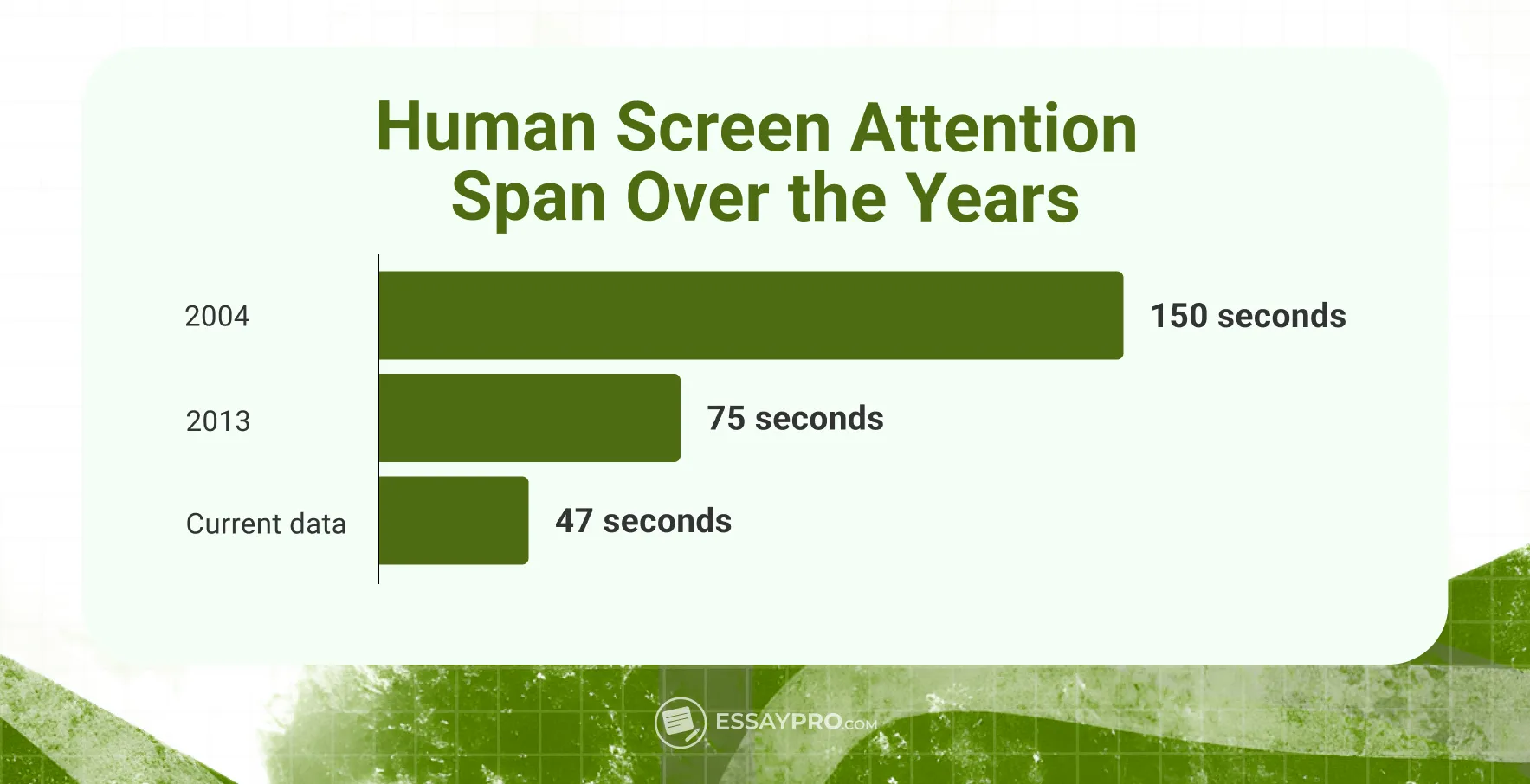
- Screen attention time dropped from 150 seconds in 2004 to 75 seconds in 2013.
- 42% of frequent electronic device users report negative mental health effects tied to screen exposure.
Videos of students ‘rawdogging boredom’ have started appearing across TikTok and Instagram, turning stillness into a viral act of defiance. The idea looks almost absurd at first glance. Students film themselves sitting in silence with no phone, no music, no tasks, nothing to distract the mind. These clips spread quickly because they show something many people rarely attempt: clean, uninterrupted stillness. The challenge feels like a direct response to how overstimulated everyday life has become.

Don’t Let AI Ruin Your Academic Record.
Safe. Human. Undetectable. Secure Your Essay with EssayPro.

How Rawdogging Boredom Works
Rawdogging boredom is a social media trend where participants film themselves sitting in silence with no screens, no music, no movement to test their tolerance for boredom.
Participants set a timer, place their phone across the room, and sit motionless. They become still in their chairs, on the floor, or wherever feels neutral. When they sit and stare ahead, the mind tries to wander. They have to constantly resist the urge to check something. Nothing about it looks exciting, obviously, and that is exactly the point of the challenge.
On TikTok and Instagram, clips often show dimly lit dorm rooms, visible countdown timers, and long, silent stares. Quiet fills the room. The person barely moves, only shifting occasionally or blinking slowly. This footage shows how hard it can be to let time just pass when we're used to the feeds built on constant change. The challenge draws attention to how uncomfortable boredom initially feels, then how natural it becomes once the mind settles.
Personal Experimentation: The Case of Ava
One of the better-known voices in this trend is the TikTok account @avasfocusguide. The creator's name is Ava, and she built her entire account around the rawdogging challenge. Even her bio, 'unrotting your brain one day at a time,' shows her dedication to helping people stop chasing the constant dopamine hits.
Ava explained that her attention span had shrunk from constant dopamine hits like phones, sugar, and games, so she began daily ‘rawdogging’ sessions as a mental reset. To fix her problem, she decided to take some time each day to mentally detox. She began recording herself during the sessions of rawdogging boredom. Ava started with one-hour stretches and slowly increased the time to two hours. She showed the real work of doing absolutely nothing without turning the experience into a performance.
We took this video from the TikTok account of the influencer @avafocusguide.
Her focus improved from 10 to 17 seconds, tracked through an attention-monitoring app. This experiment proved that boredom is a skill to which the mind can eventually adapt. Her honesty resonated with Gen Z students who shared the same battle with digital distractions.
How Digital Overuse Triggers Dopamine Addiction
Dopamine is a neurotransmitter that plays a key role in our reward system. The brain releases small amounts of dopamine each time a person receives a notification or watches fast-paced content. The cycle repeats throughout the day. As the brain adjusts to constant stimulation, quiet moments begin to feel uncomfortable. Some studies reflect this, with 42% of surveyed individuals reporting negative effects of social media on their mental and physical health.
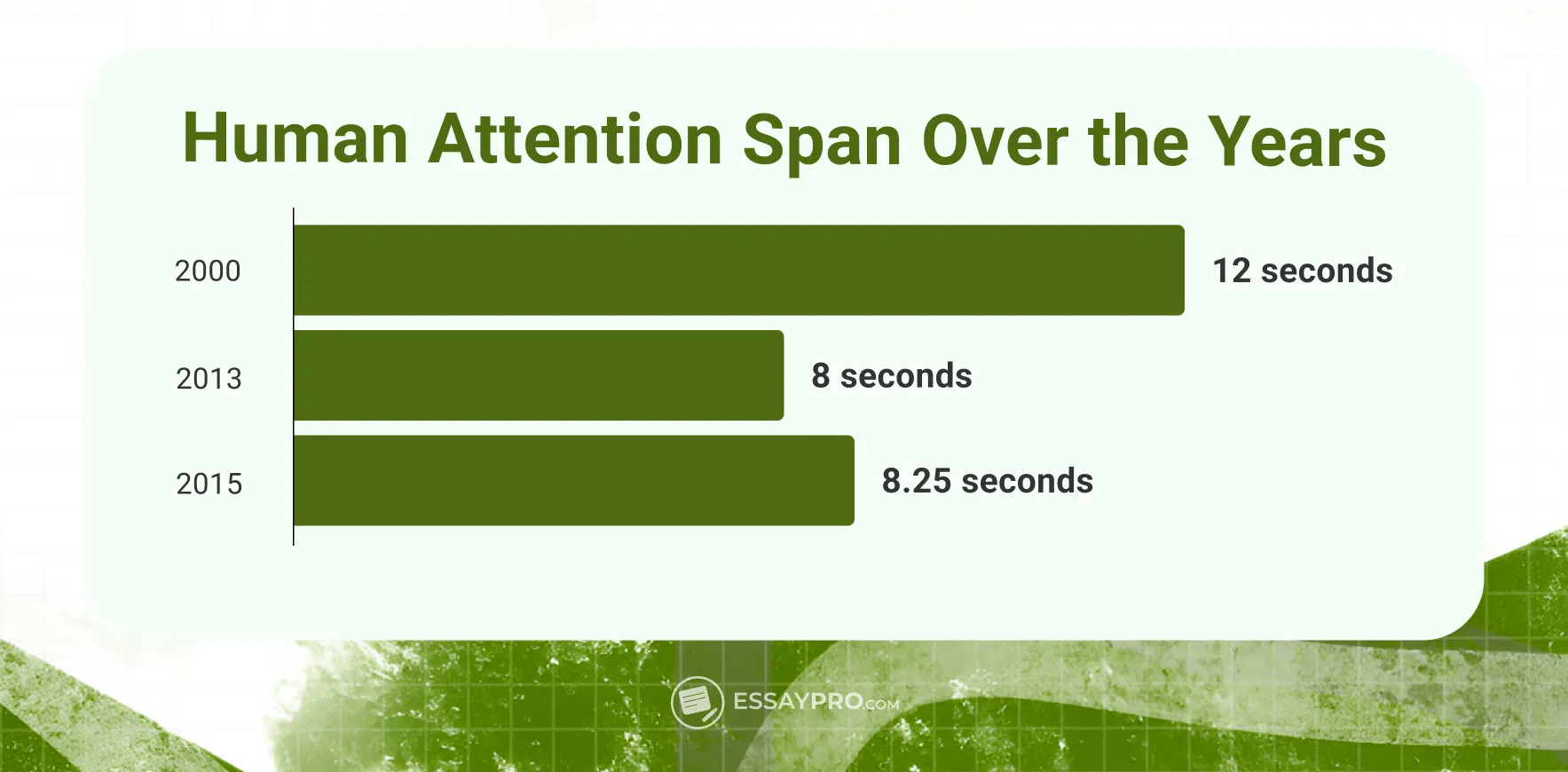
Studies show that the decrease in the human attention span doesn't happen in isolated incidents: the average in 2000 was about 12 seconds. This number slowly went down to 8 seconds before 2013, and then went back up only slightly to 8.25 in 2015.
Teen screen exposure has reached high levels. A 2022 Common Sense Media report documented that teenagers spend an average of 8 hours and 39 minutes per day on entertainment screen time. That amount of stimulation introduces rapid micro-rewards nearly all day long.
In 2004, people focused on one screen for about 150 seconds; by 2013, that fell to 75 seconds, and today, it’s around 47 seconds. That average had shortened to 75 seconds by 2013. Current data places the typical screen hold at 47 seconds before the mind jumps to something else. The rhythm becomes too quick and sharp, and the brain slowly starts to treat this tempo as the new normal.
Other research in cognitive science, as well as nearly every essay about social media, describes links between high-stimulation environments and impairments in executive functioning and emotional regulation. Constant novelty creates a habit of mental jumping. Tasks that require patience begin to feel draining.
Why Gen Z Decided to Fix Their Attention Span
A sense of mental overload has become familiar within Gen Z circles. Many students describe trouble staying with assignments, difficulty finishing thoughts, and a feeling that attention slips away faster than it once did. The motivation to change comes from direct lived experience rather than external pressure.
The rawdogging boredom challenge follows the logic of the dopamine-cycle theory. The whole point of the trend is to create periods of low stimulation so the brain's reward system rests. Once the craving for constant novelty settles, people report that everyday tasks are easier to handle. Homework feels less fragmented, and even movies feel more watchable again. Some participants describe noticing small changes over time, such as:
- Being able to stay with a task longer without constantly wanting to check something else.
- Feeling more at ease during quiet or slow moments.
- Settling into focus more easily when beginning work.
Participants, like Ava we talked about before, share progress online. The challenge might have initially started out as a TikTok trend, but over time, it developed into a large informal case study example. People encourage each other to detox for an extended period and, at the same time, document the gradual changes in their attention span.
AI Helps You Start. EssayPro Helps You Win.
Reliable, confidential, human-crafted papers — EssayPro has your back 24/7.
Why Doing Nothing Is Beneficial and Where It Fails
Intentional stillness can rebuild attention because the mind gets a chance to settle when nothing tugs at it. The pace of thoughts also slows while raw dogging boredom. People often say that their internal atmosphere becomes a lot quieter after a period of doing nothing. And that's noticeable in daily life: tasks that once felt impossible start to feel less intimidating once the mind is not running at full speed.
But the TikTok and Instagram videos often don't show the potential risks of this practice. The experience of raw dogging boredom practice requires direction because, without guidance, a quiet moment might become too uncomfortable to sit with. To fix this, you might try reflecting afterward in a notebook or even a voice memo. It also helps to set a limited time window with a specific purpose. These simple tips keep the stillness from feeling stressful.
The rawdogging boredom challenge treats boredom as an important skill worth training rather than a state to avoid. The practice works best when it becomes part of a regular routine with structure, patience, and self-awareness guiding it.
Cultural Implications of the Gen Z Trend
This trend points to something larger than a challenge on social media. It shows a generation taking control over the effects technology has on their life. Many young people describe a sense of constant mental noise, and choosing silence over stimulation helps them understand where their mind goes when nothing is happening. The practice turns everyday boredom into a form of self-inquiry: What happens when I stop reaching for stimulation?
The challenge aligns with ongoing discussions about the importance of digital wellness and how dopamine addiction has ruined the attention span of young people. Screen time, productivity pressure, and the expectation to always respond have shaped daily rhythms, but Gen Z’s approach has a different tone: people document the process and learn alongside each other.
Final Thoughts: Learn to Tolerate Boredom One Day at a Time
The rawdogging boredom trend shows Gen Z learning to sit with their own thoughts in a world built for distraction. Stillness turns into focus, and focus becomes a form of strength. The practice is simple, but the effect can be meaningful: stillness gives the mind room to slow down. Progress happens gradually, so it requires patience on your part. Start with a few minutes today, and increase the period slightly tomorrow. Boredom turns into a skill that supports focus and a steadier sense of presence.
Upgrade Your Essay. Get a Human Writer Today.
AI can write fast — but humans write what professors approve. Get a real expert from EssayPro today.
FAQ
What Are the Rules of Rawdogging Boredom?
Does Gen Z Have Short Attention Span?
How Long Do I Need to Rawdog Boredom For?
Does Rawdogging Boredom Have Any Psychological Benefits?
Can I Actually Benefit From Rawdogging Boredom?

Sopho Miller
is an experienced content writer who specializes in digital marketing, business, and academic topics. With a Master’s degree in Digital Marketing, she combines her expertise with a practical approach to create clear, engaging, and educational content. She crafts detailed guides and resources that support students in their academic journey. Outside of work, Sopho stays current with the latest industry trends and regularly attends workshops to further sharpen her skills.